
Written by: Joshua Mari Descalso
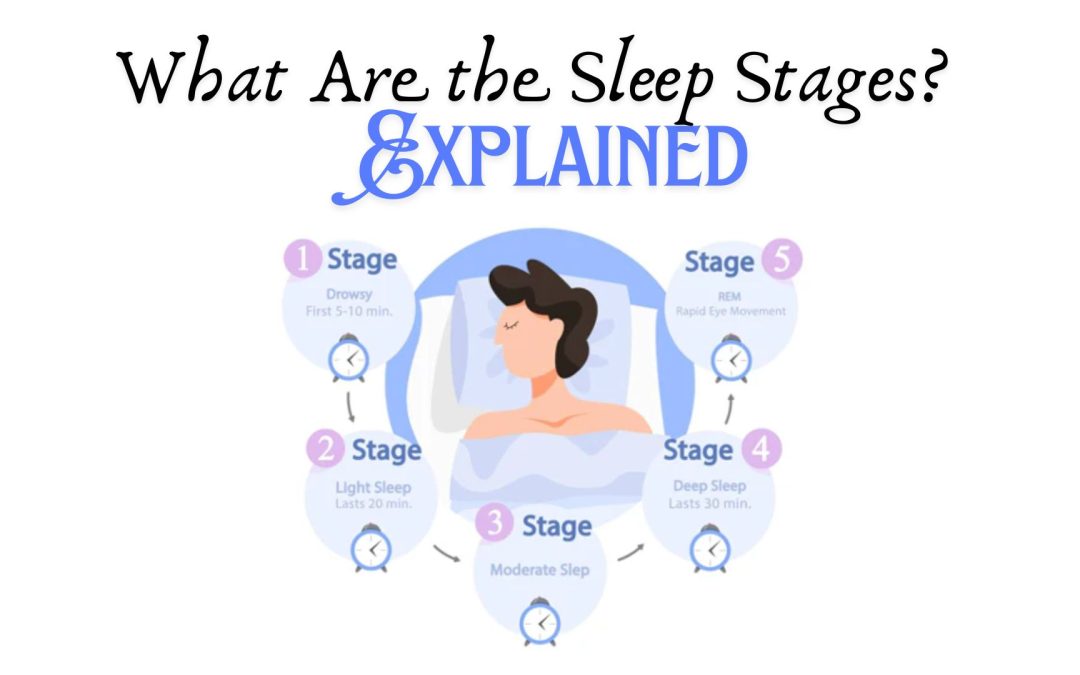
Sleep is one of the most essential processes for human health. It restores the body, repairs tissues, consolidates memories, and recharges the mind for the next day. But sleep is far more complex than simply closing your eyes and drifting away. It occurs in cycles, moving through distinct phases that each serve a vital purpose. To better understand how you sleep—and why quality rest matters—let’s take a closer look at the Sleep Stages Explained.
The Basics of Sleep Cycles
A full night’s sleep is made up of several sleep cycles, each lasting around 90 minutes. Within these cycles are four key stages: three non-REM (NREM) stages and one REM (rapid eye movement) stage. Your body cycles through these stages multiple times per night, with the balance shifting as the night progresses. Early in the night, deep sleep dominates; later, REM stages become longer and more frequent.
Stage 1: Light Sleep (NREM 1)
This is the transitional phase between wakefulness and sleep. It usually lasts just a few minutes as your body begins to relax. Your breathing slows, muscles loosen, and brain activity starts to decrease. During this stage, it’s common to experience sudden muscle twitches or the sensation of falling. While it’s the lightest stage of sleep, it plays a role in easing you into deeper rest.
Stage 2: Deeper Light Sleep (NREM 2)
Stage 2 accounts for about half of your total sleep time. Here, your body temperature drops, heart rate slows, and brain activity continues to decrease with bursts of electrical activity called sleep spindles. This stage helps maintain restful sleep by shielding the brain from being easily awakened by external stimuli. It’s also thought to contribute to memory consolidation and learning.
Stage 3: Deep Sleep (NREM 3)
Often referred to as slow-wave sleep, this stage is the most restorative. Your brain produces slow delta waves, and it’s very difficult to wake you up. Deep sleep is critical for physical repair, immune function, and growth. It’s also when the body releases important hormones like human growth hormone. Without adequate deep sleep, you may feel physically drained no matter how many hours you spend in bed.
Stage 4: REM Sleep
The final stage of the cycle is REM sleep, which is unique because brain activity increases again, resembling patterns seen while awake. This is the stage where vivid dreams occur, your eyes move rapidly behind closed lids, and your body experiences temporary paralysis to prevent you from acting out dreams. REM sleep is essential for emotional regulation, creativity, and memory processing.
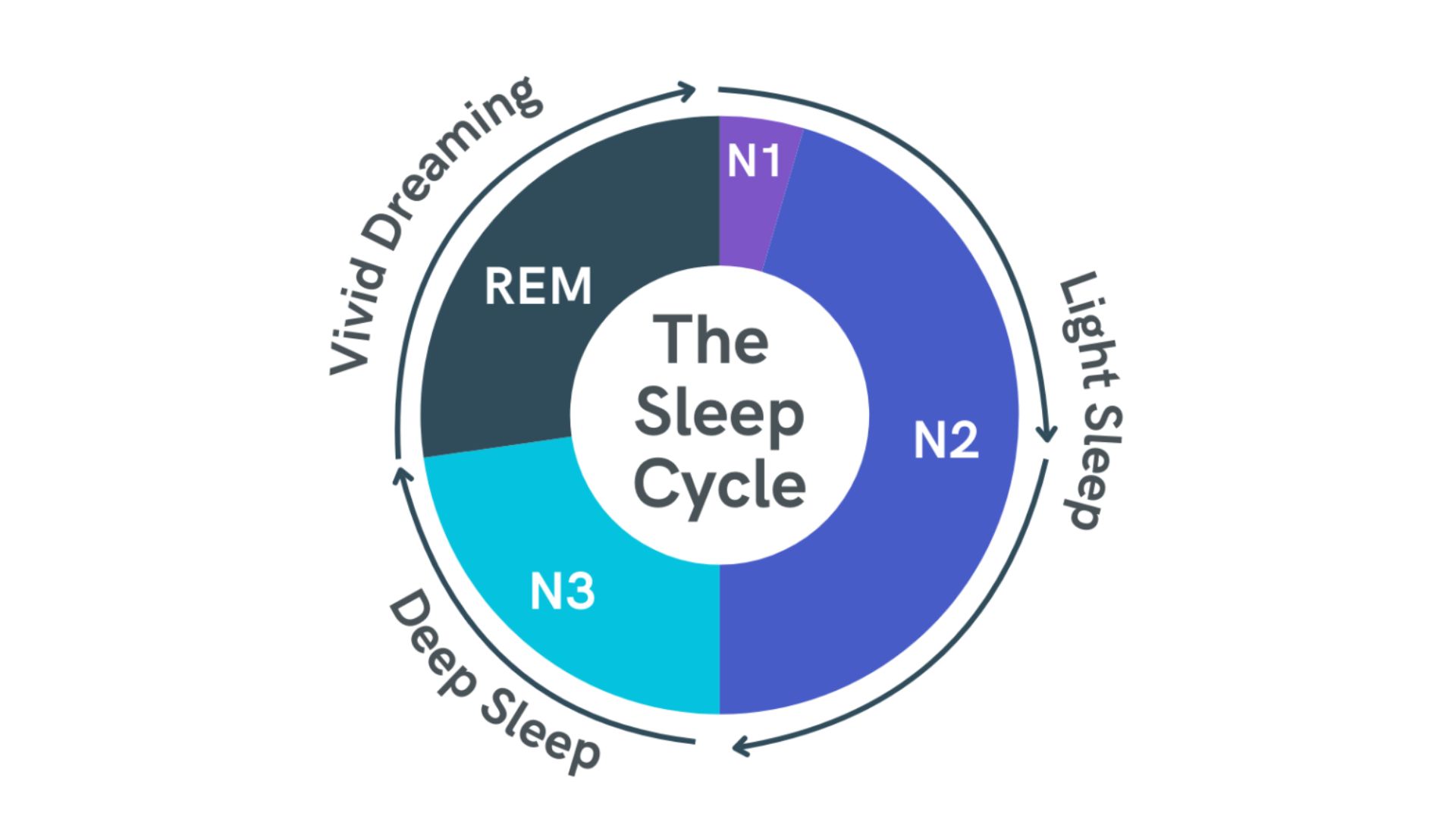
Sleep cycle diagram showing N1 N2 N3 and REM stages
Why Sleep Stages Matter
Understanding the Sleep Stages Explained highlights why disrupted sleep can have serious consequences. If you are frequently awakened during the night—whether from noise, stress, or a sleep disorder like obstructive sleep apnea—you may not get enough deep or REM sleep. This imbalance can leave you feeling exhausted, unfocused, and more vulnerable to health problems such as high blood pressure, diabetes, and weakened immunity.
How Sleep Disorders Affect the Stages
Conditions like sleep apnea are particularly harmful because they fragment your sleep cycles. When your airway becomes blocked during the night, your body briefly wakes up to resume breathing. These constant interruptions prevent you from reaching or maintaining deep and REM stages. Even if you think you slept for seven or eight hours, you may still feel unrested because the natural cycle was disrupted.
Supporting Healthy Sleep Cycles
If you want to improve your sleep quality, it helps to support your natural cycles. Here are a few practical tips:
- Stick to a consistent sleep schedule.

Consistent sleep schedules help regulate healthy sleep cycle
- Create a relaxing bedtime routine.
- Keep your room dark, cool, and quiet.
- Limit caffeine and heavy meals before bedtime.
- Reduce screen exposure in the evening.
However, if lifestyle changes aren’t enough and you suspect an underlying disorder, professional help is essential.
Professional Support for Better Sleep
If learning about the Sleep Stages Explained has made you realize that your rest isn’t as restorative as it should be, you may benefit from a sleep study. That’s where CPAP Pros can help. Their team offers in-clinic and at-home testing to evaluate your sleep patterns and identify conditions like obstructive sleep apnea. They also provide expert CPAP machine setup and ongoing support to ensure you get the treatment you need for uninterrupted, high-quality sleep.

Professional support helps guide patients through sleep aid
Final Thoughts
When it comes to the Sleep Stages Explained, every phase of the cycle plays a crucial role in keeping your body and mind healthy. Disruptions to these stages can leave you chronically tired and at risk for serious health problems. By making small changes at home and seeking professional guidance when needed, you can protect your sleep cycles and wake up feeling truly refreshed. With the right support—such as the services from CPAP Pros—better, deeper sleep is within your reach.
Contact Us:
CPAP Pros is able to offer their services to you without ever having to leave your home! Our equipment can be shipped free of charge and our clinical team members are available to assist you virtually.
Address
#405, 625 5th Avenue
New Westminster British Columbia,
V3M 1X4
Contact Number
Phone: 604-229-1630
Fax
Phone: 1-833-490-1315
Recent Comments