

Written by: Joshua Mari Descalso
How Much Sleep Do You Need for Optimal Health?
Sleep is one of the cornerstones of good health, yet many people underestimate its importance. While it may feel like a luxury in today’s fast-paced world, sleep is as essential as diet and exercise. It restores the body, strengthens the immune system, and sharpens the mind. But the question remains: How Much Sleep Do You Need to truly feel your best and protect your long-term health?
Why Sleep Matters
Before diving into hours and numbers, it’s important to understand why sleep is vital. During sleep, your body performs critical processes: repairing tissues, consolidating memories, balancing hormones, and even detoxifying the brain. Consistently falling short on sleep doesn’t just leave you groggy—it increases the risk of serious conditions such as heart disease, diabetes, obesity, and depression.
General Guidelines by Age
So, How Much Sleep Do You Need each night? Experts recommend different amounts depending on your age:
- Newborns (0–3 months): 14–17 hours
- Infants (4–11 months): 12–15 hours
- Toddlers (1–2 years): 11–14 hours
- Preschoolers (3–5 years): 10–13 hours
- School-age children (6–13 years): 9–11 hours
- Teenagers (14–17 years): 8–10 hours
- Young adults (18–25 years): 7–9 hours
- Adults (26–64 years): 7–9 hours
- Older adults (65+ years): 7–8 hours
While these are averages, individual needs vary. Some people feel well-rested after seven hours, while others may require nine. Genetics, activity level, and health conditions all play a role.
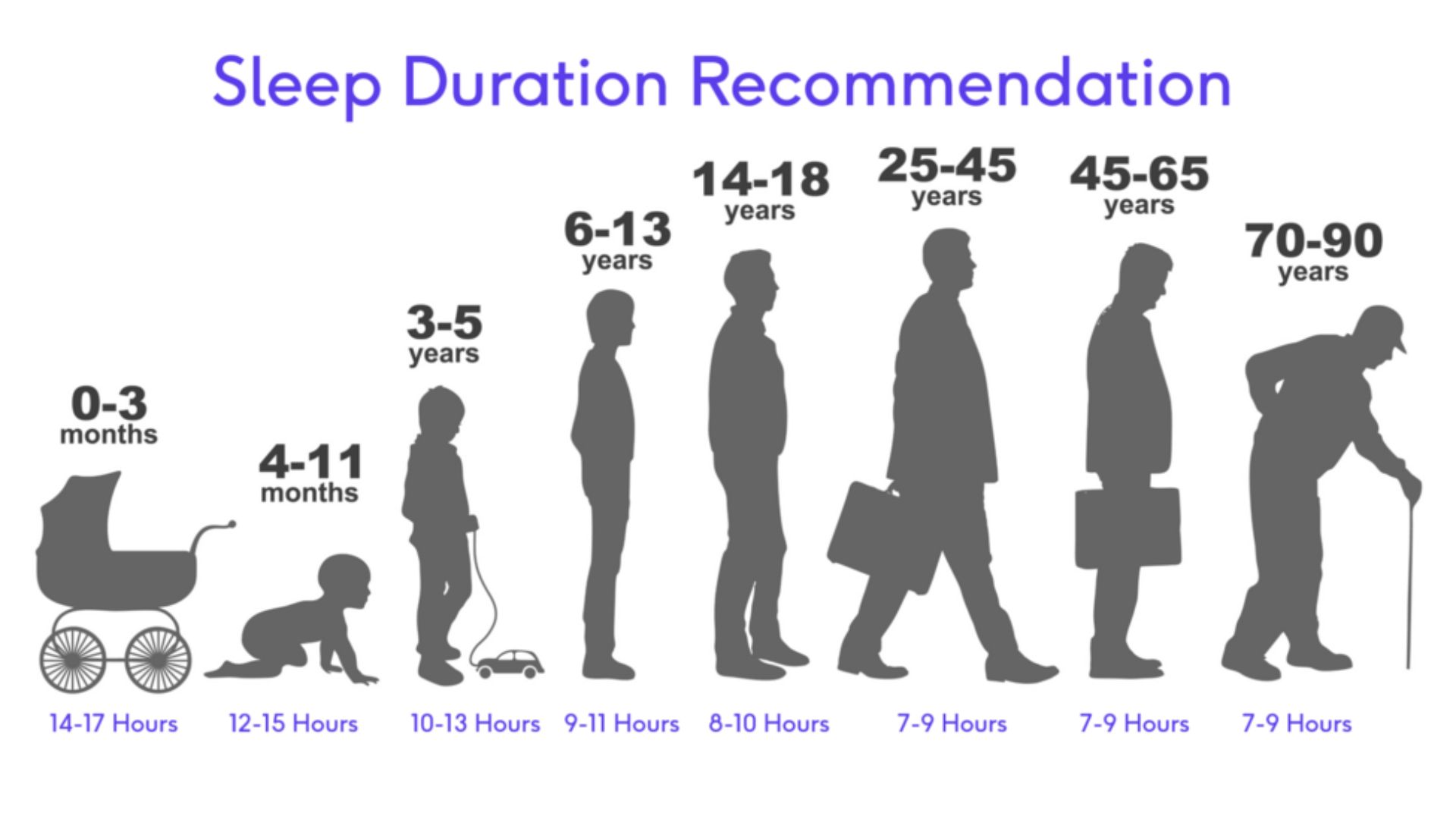
Recommended sleep hours across life stages from infants ages
Signs You’re Not Getting Enough Sleep
Even if you meet the average recommendation, the quality of your sleep matters just as much as the quantity. If you find yourself experiencing the following, it may indicate you need more rest:
- Struggling to wake up without an alarm
- Feeling sleepy during the day or dozing off unintentionally
- Difficulty focusing, remembering details, or making decisions
- Irritability or mood swings

Poor sleep can lead to irritability and mood changes
- Frequent illness due to a weakened immune system

Lack of sleep may weaken immunity and increase illness risk
These signs highlight that How Much Sleep Do You Need isn’t just about hours in bed but also about whether your sleep is restorative.
When Too Little Sleep Becomes Dangerous
Chronic sleep deprivation has ripple effects on nearly every aspect of health. It raises blood pressure, disrupts blood sugar control, and increases the likelihood of weight gain. Long-term sleep loss is also linked to decreased lifespan. In the short term, it impairs judgment and reaction time, making accidents more likely both at work and behind the wheel.
Sleep Disorders and Their Impact
Sometimes the issue isn’t how much time you spend sleeping but whether your body cycles through the proper stages of sleep. Disorders such as obstructive sleep apnea cause repeated breathing interruptions throughout the night. Even if you’re in bed for eight hours, you may wake up feeling exhausted because your sleep was fragmented.
If you suspect this may be the case, seeking a professional evaluation is crucial. That’s where CPAP Pros can help. They specialize in diagnosing and treating sleep apnea, offering in-clinic and at-home sleep studies, CPAP machine setup, and ongoing support to restore healthy sleep patterns.
Tips to Improve Sleep Quality
While professional care is vital for sleep disorders, lifestyle changes can also support better rest:
- Stick to a consistent sleep schedule—even on weekends.
- Create a relaxing bedtime routine with calming activities like reading or light stretching.
- Keep your bedroom dark, cool, and quiet.
- Limit caffeine, alcohol, and heavy meals before bedtime.
- Reduce screen exposure in the hour before sleep.
These habits, combined with the right amount of rest, will help you maximize the benefits of sleep.
Final Thoughts
So, How Much Sleep Do You Need for optimal health? The answer depends on your age, lifestyle, and overall well-being, but for most adults, seven to nine hours per night is ideal. Equally important is ensuring that sleep is deep and restorative, not fragmented or shallow.
If you consistently wake up tired despite getting the recommended hours, it may be time to consider an underlying issue such as sleep apnea. Partnering with professionals like CPAP Pros ensures you receive the testing, treatment, and guidance necessary to restore your energy, focus, and long-term health.
Quality sleep is not a luxury—it’s a necessity. By paying attention to your body’s needs and seeking help when necessary, you can protect your health and enjoy the benefits of truly restorative rest.
Contact Us:
CPAP Pros is able to offer their services to you without ever having to leave your home! Our equipment can be shipped free of charge and our clinical team members are available to assist you virtually.
Address
#405, 625 5th Avenue
New Westminster British Columbia,
V3M 1X4
Contact Number
Phone: 604-229-1630
Fax
Phone: 1-833-490-1315
Recent Comments