
Written by: Joshua Mari Descalso
Sleep is more than just rest—it is a fundamental pillar of overall well-being. In recent years, researchers have increasingly explored the intricate connection between sleep and psychological wellness. Understanding how Sleep Health and Mental Health Linked can help people recognize the importance of quality rest in managing stress, boosting mood, and reducing the risk of mental health conditions.
The Two-Way Relationship Between Sleep and Mental Health
The relationship between sleep and mental health is not one-directional; instead, it is deeply intertwined. Poor sleep can worsen mental health conditions, while mental health challenges can, in turn, disrupt sleep patterns. This cycle creates a feedback loop that can be difficult to break without intervention.
For example, individuals experiencing anxiety often struggle with racing thoughts at night, leading to insomnia. Likewise, those dealing with depression frequently report excessive sleepiness during the day or difficulty staying asleep at night. Recognizing how Sleep Health and Mental Health Linked is crucial in breaking this cycle and finding long-term solutions.
How Sleep Impacts Mental Health
When we sleep, the brain goes through critical processes that support emotional regulation, memory consolidation, and stress recovery. Without enough rest, the brain becomes less efficient at handling emotional challenges, leading to increased irritability, poor concentration, and heightened stress levels.
Some of the mental health impacts of poor sleep include:
- Increased risk of depression: Persistent insomnia has been shown to be a strong predictor of developing depression.
- Heightened anxiety: Lack of sleep can amplify worry and make anxiety symptoms more severe.
- Mood instability: Sleep deprivation affects neurotransmitters like serotonin and dopamine, leading to mood swings.
- Impaired decision-making: Poor sleep reduces cognitive flexibility, which can increase impulsive or negative thought patterns.

Mental strain and tiredness often linked to poor sleep health
Clearly, understanding how Sleep Health and Mental Health Linked can shed light on why improving sleep quality is a powerful tool for supporting emotional well-being.
How Mental Health Affects Sleep
On the other side of the equation, mental health conditions can directly interfere with sleep. Stress, anxiety, depression, and trauma can all disrupt the body’s natural circadian rhythm and reduce sleep quality. For instance, individuals with post-traumatic stress disorder (PTSD) often experience vivid nightmares that prevent restorative sleep.
Chronic stress can also elevate cortisol, the stress hormone, making it harder for the body to relax enough to fall asleep. This demonstrates yet again how Sleep Health and Mental Health Linked in a cycle that requires attention to both aspects for lasting improvement.
Improving Both Sleep and Mental Health Together
The good news is that strategies to improve sleep often also support mental health, and vice versa. Some evidence-based methods include:
- Practicing good sleep hygiene: Keeping a consistent bedtime, reducing screen time before bed, and creating a comfortable sleep environment.
- Incorporating relaxation techniques: Mindfulness, meditation, and deep-breathing exercises can reduce nighttime anxiety.
- Cognitive behavioral therapy for insomnia (CBT-I): A proven method that addresses negative thought patterns interfering with sleep.
- Addressing sleep disorders: Conditions like sleep apnea can severely impact sleep quality and mental well-being if left untreated.
For individuals with sleep apnea, CPAP (Continuous Positive Airway Pressure) therapy can be life-changing. By ensuring proper airflow and preventing sleep interruptions, CPAP not only improves physical health but also reduces fatigue, brain fog, and mood disturbances.
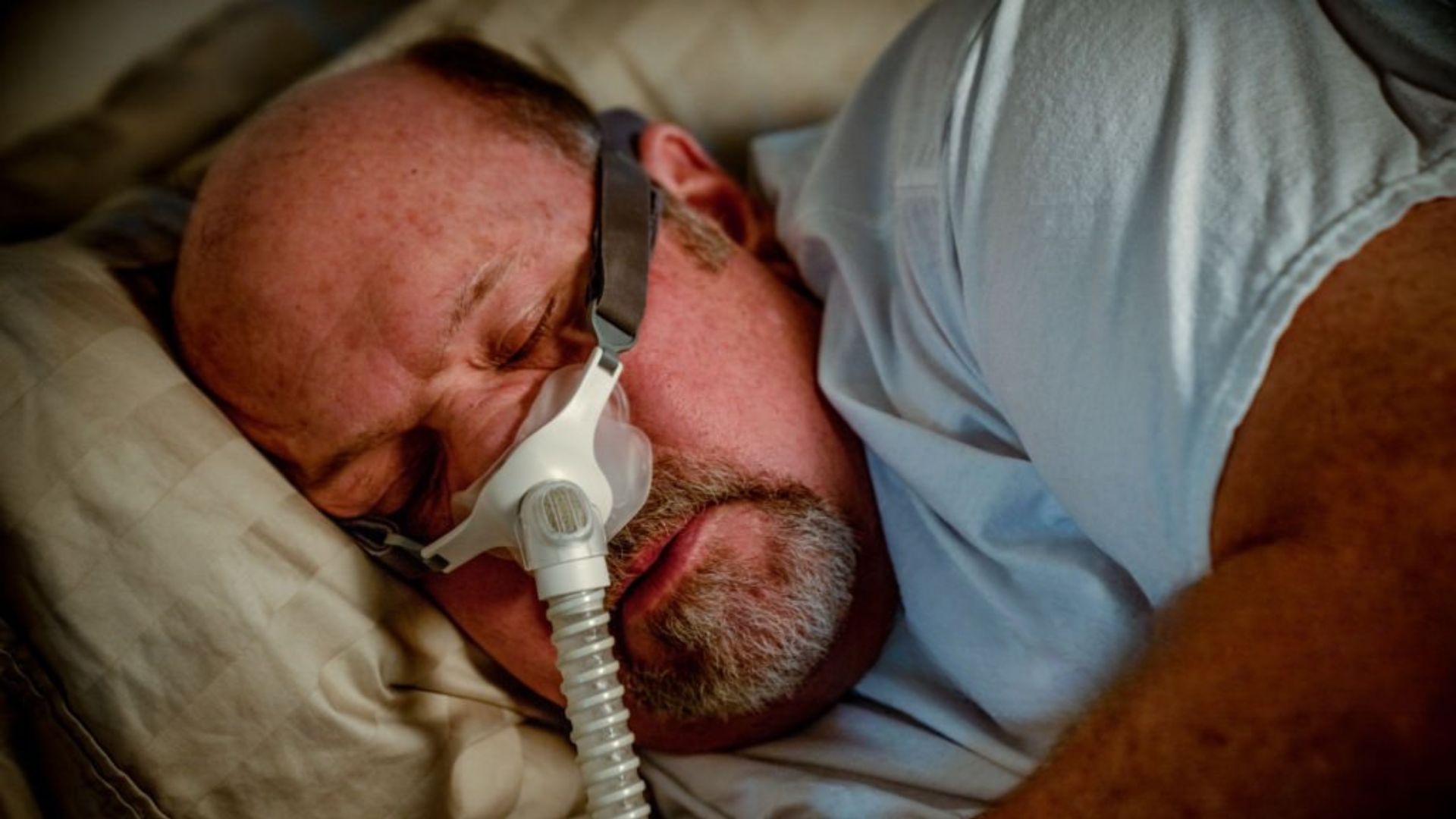
Man sleeping with CPAP mask supporting sleep health care
Support From CPAP Pros
If you suspect that sleep apnea or another sleep disorder may be affecting your rest, seeking professional help is vital. Quality CPAP machines and accessories can make a significant difference in restoring restful nights and improving overall wellness. Providers like CPAP Pros offer a wide range of reliable solutions to help you get the rest you deserve. By treating the root cause of disrupted sleep, you are also taking an important step in protecting your mental health.

Medical consultation highlighting sleep and mental health
Conclusion
The evidence is clear: sleep and mental well-being are inseparable. Understanding how Sleep Health and Mental Health Linked can help people prioritize rest as an essential part of their emotional and psychological care. Whether you are struggling with insomnia, sleep apnea, or stress-related sleep disruptions, improving your sleep can directly enhance your mood, resilience, and quality of life.
For those seeking professional solutions, CPAP Pros provides the tools and support to achieve restorative sleep. By addressing both sleep and mental health together, you can break the cycle of exhaustion and embrace a healthier, more balanced life.
Contact Us:
CPAP Pros is able to offer their services to you without ever having to leave your home! Our equipment can be shipped free of charge and our clinical team members are available to assist you virtually.
Address
#405, 625 5th Avenue
New Westminster British Columbia,
V3M 1X4
Contact Number
Phone: 604-229-1630
Fax
Phone: 1-833-490-1315
Recent Comments