
Diagnosing and Treating
Obstructive Sleep Apnea
Do you think you have Sleep Apnea?
We deliver knowledgeable, professional and convenient Sleep Apnea solutions.
1 in 4 Adults is at high risk for having Obstructive Sleep Apnea (OSA)
Reference: Public Health Agency of Canada (2009)
Risk Factors
-
Family history of snoring
-
Overweight (BMI over 25)
-
High blood pressure
-
Male gender
-
Large neck size
-
Alcohol consumption at bedtime
-
Post-menopausal
Symptoms of OSA
-
Loud snoring
-
Daytime sleepiness
-
Poor concentration or memory loss
-
Irritability / Depression
-
Sexual dysfunction
-
Morning headaches
-
Falling asleep while driving
Do you exhibit signs of Obstructive Sleep Apnea?
Ask your doctor about getting a free sleep test today.

Get a referral from your doctor

Take our at-home Sleep Apnea Test

We send the results directly to your doctor

CPAP Pros will set up the right plan for you

Free lifetime monitoring included
 CPAP Pros Customer
____________________
CPAP Pros Customer
____________________
After years of struggling with mask anxiety from my military service, I’m finally sleeping better with CPAP therapy—my energy is up, naps are a thing of the past, and I’m even losing weight; I hope my story helps others find their way to restful sleep too.
Les Foster
____________________
I cannot praise CPAP Pros highly enough! I have tried two other firms previously in my area and the first firm, a decade or more ago, did not stress the link between Sleep Apnea and Atrial Fibrillation nor was I shown the CPAP machines and my options for masks, etc. I was immediately impressed by (CPAP Pros) level of personal service offered and the professional attitude of all the staff.. The follow-up tracking of my progress has been thorough and makes me feel that I am receiving the best possible ongoing treatment for the best possible value!
Eric Ramirez
____________________
I had reported a snoring issue and other sleep-relevant factors which prompted my family doctor to order a home sleep study which CPAP Pros administered and the results of which lead to me receiving continuous positive airway pressure (CPAP) machine therapy. CPAP Pros provided clear and prompt coordination with me during all points of this process.
CPAP Pros Customer
____________________
Since I started using the CPAP machine, I have been experiencing higher-quality sleep and wakefulness and energy during the day. The CPAP therapy and experience with CPAP Pros have made an immediate and positive impact so far on my health. I look forward to continuing CPAP therapy from my experiences with these folks.
Thi Nguyen
____________________
I really like the staff and the service here, very friendly and accommodating. The coaches are very knowledgeable and will assist you with what you need with your CPAP device.
butterchase
____________________
The team at CPAP Pros was encouraging me and guiding me through my sleep therapy. I now can truly say I am addicted to my cpap can’t sleep without it. I no longer have dry mouth and have my energy back. Thank you for your help love waking up refreshed.
Geraldina Brito
____________________
Really great staff, great service very helpful! Reps are very knowledgeable and will take the time to explain things clearly and thoroughly. Would definitely recommend!
Brenda Houg
____________________
I highly recommend the Five Star service provided by the staff at CPAP Pros who supported my journey toward a restful sleep!
Columbia Square Medical Clinic
____________________
Always amazing service and great staff. Their reps are persistent with visiting clinics to make sure their services are top quality. Thank you to Adrian and other reps for always following up with our doctors. Definitely recommend others to refer their patients here. You will not be disappointed.
Vinícius Fonseca
____________________
Amazing service and excellent costumer service provided!
Rinzel Gonzales
____________________
Fast response times and their services are rendered in a timely manner even during covid.
Feeling depressed or irritable?
Ask a CPAP Pros Sleep Professional how we can help!
From the CPAP Pros Blog:
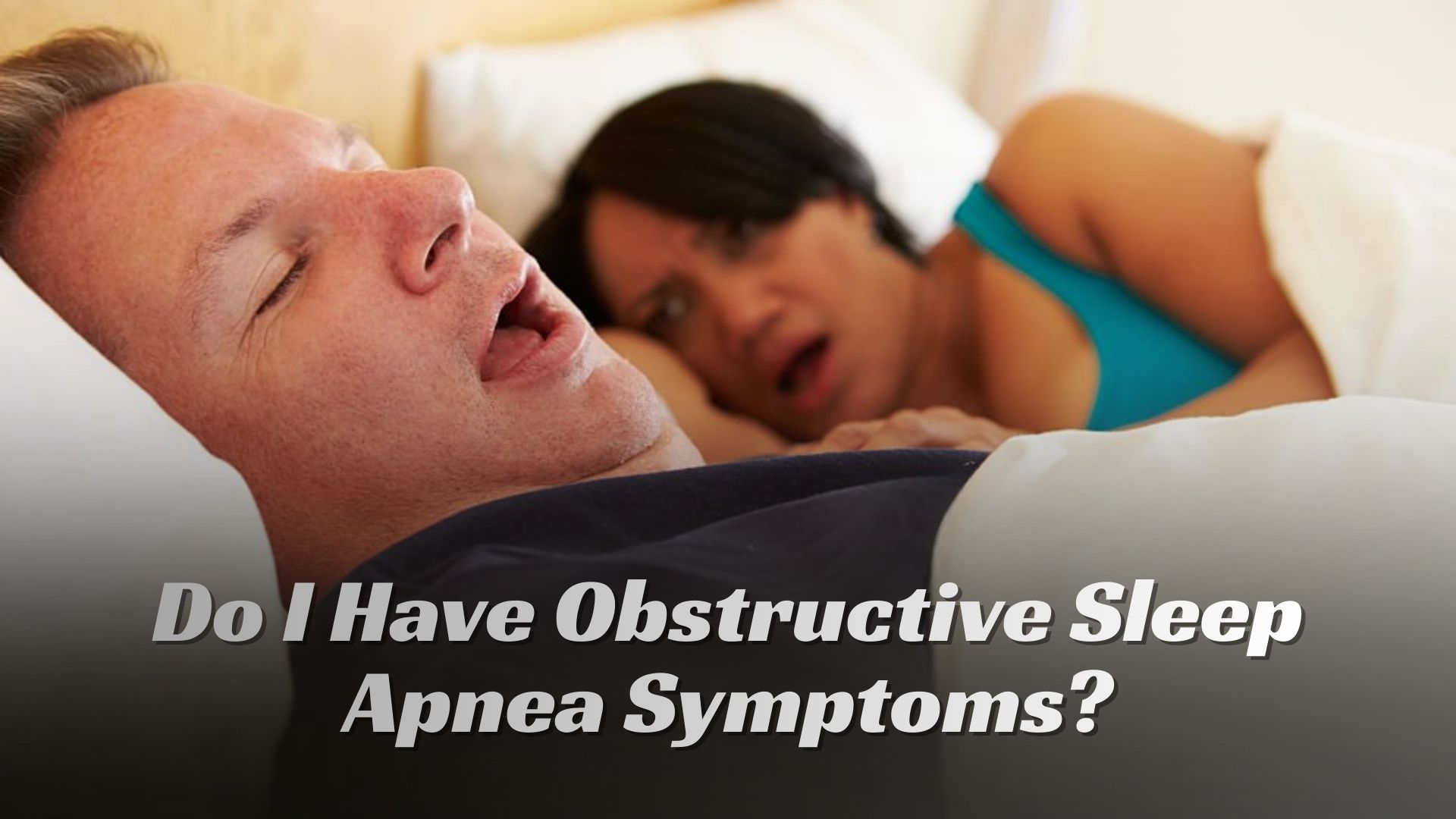
Do I Have Obstructive Sleep Apnea Symptoms?
Obstructive sleep apnea is a common sleep disorder that affects breathing during sleep, often without the person realizing it. Symptoms may include loud, chronic snoring, pauses in breathing, gasping or choking during the night, and restless sleep. Many individuals also experience excessive daytime sleepiness, morning headaches, difficulty concentrating, and irritability. Over time, untreated obstructive sleep apnea can impact overall health, increasing the risk of high blood pressure, heart disease, and poor quality of life. Recognizing these warning signs early is important, as proper evaluation can help determine whether sleep apnea is present and guide appropriate management.
How to Make a Sleep-Friendly Bedroom Tips
A sleep-friendly bedroom plays a key role in improving sleep quality and overall well-being. Factors such as lighting, noise levels, temperature, and room layout can either support restful sleep or contribute to ongoing sleep problems. Soft lighting, comfortable bedding, proper airflow, and reduced clutter help create a calming environment that signals the body it is time to rest. Limiting screen exposure, managing external noise, and choosing soothing colors can also improve relaxation. By understanding how bedroom design affects sleep cycles, individuals can create a space that supports deeper, more consistent rest and promotes better physical and mental recovery each night.

Can Dietary Supplements for Better Sleep Lead to a Better Night’s Sleep?
Dietary supplements for better sleep are often explored by individuals seeking relief from restless nights or mild sleep disturbances. Common options like melatonin, magnesium, and herbal blends may support relaxation and help regulate sleep cycles for some people. However, their effects can vary widely and are often modest, especially when sleep issues are chronic or medically related. Research shows that supplements work best when paired with healthy sleep habits such as consistent bedtimes, reduced screen exposure, and stress management. For long-term sleep improvement, identifying underlying causes and following medically guided treatment remains essential.
Serving the Lower Mainland!
Areas CPAP Pros services with Free Delivery:
Burnaby, Coquitlam, Pitt Meadows, Maple Ridge, Langley, Surrey, Delta, New Westminster, White Rock, Richmond, Vancouver, and North Vancouver.