
Written by: Joshua Mari Descalso
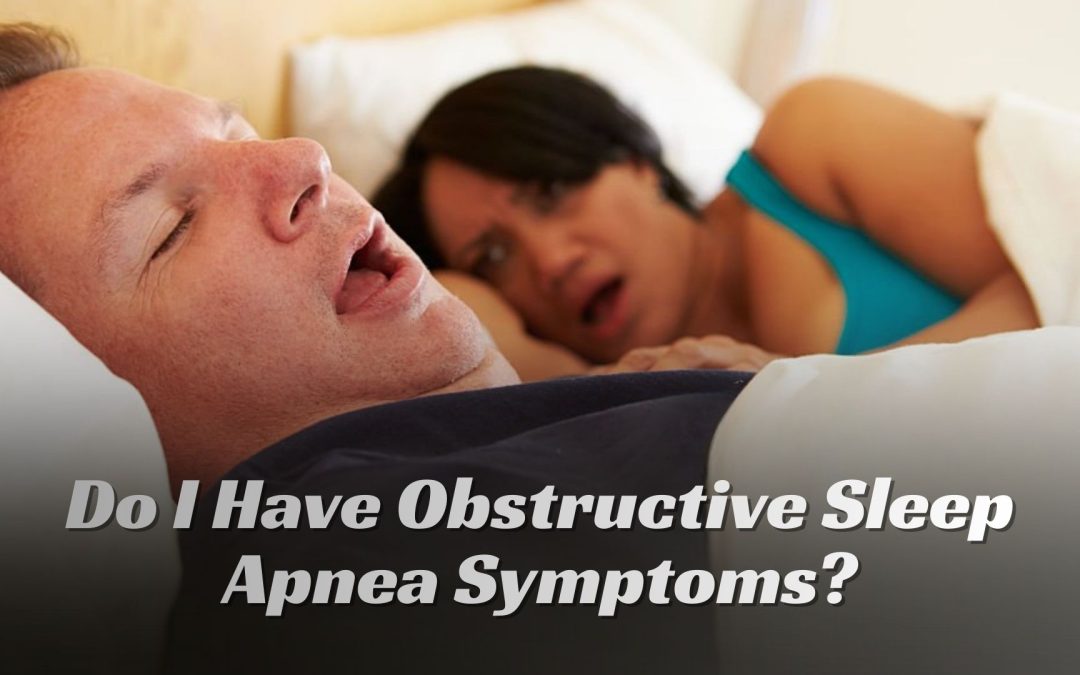
Sleep is supposed to leave you refreshed, energized, and ready to take on the day. But if you often wake up feeling groggy, irritable, or exhausted—even after a full night’s sleep—you may be wondering: Do I have Obstructive Sleep Apnea Symptoms? This common yet underdiagnosed sleep disorder affects millions worldwide and can have serious long-term health consequences if ignored.
What Is Obstructive Sleep Apnea?
Obstructive Sleep Apnea (OSA) occurs when the muscles in the back of your throat relax too much during sleep, narrowing or completely blocking your airway. This leads to pauses in breathing, sometimes lasting 10 seconds or more, followed by loud gasps or choking sounds when your body forces you to breathe again. These interruptions can happen dozens—even hundreds—of times per night, preventing you from entering the deep, restorative stages of sleep.
Common Obstructive Sleep Apnea Symptoms
Knowing the signs is the first step toward getting help. Here are the most common Obstructive Sleep Apnea Symptoms to watch for:
-
- Loud, Chronic Snoring
Snoring isn’t always a cause for concern, but if it’s loud, frequent, and disruptive, it may signal a blocked airway. Often, a partner will notice this symptom before you do. - Pauses in Breathing During Sleep
Many people with OSA are unaware they stop breathing during the night. A partner, roommate, or even a sleep study is usually needed to detect this alarming sign. - Excessive Daytime Sleepiness
If you find yourself nodding off at work, while watching TV, or even while driving, it may be more than just a bad night’s sleep. This is one of the hallmark Obstructive Sleep Apnea Symptoms. - Morning Headaches
Frequent headaches upon waking may result from low oxygen levels and disrupted sleep cycles throughout the night.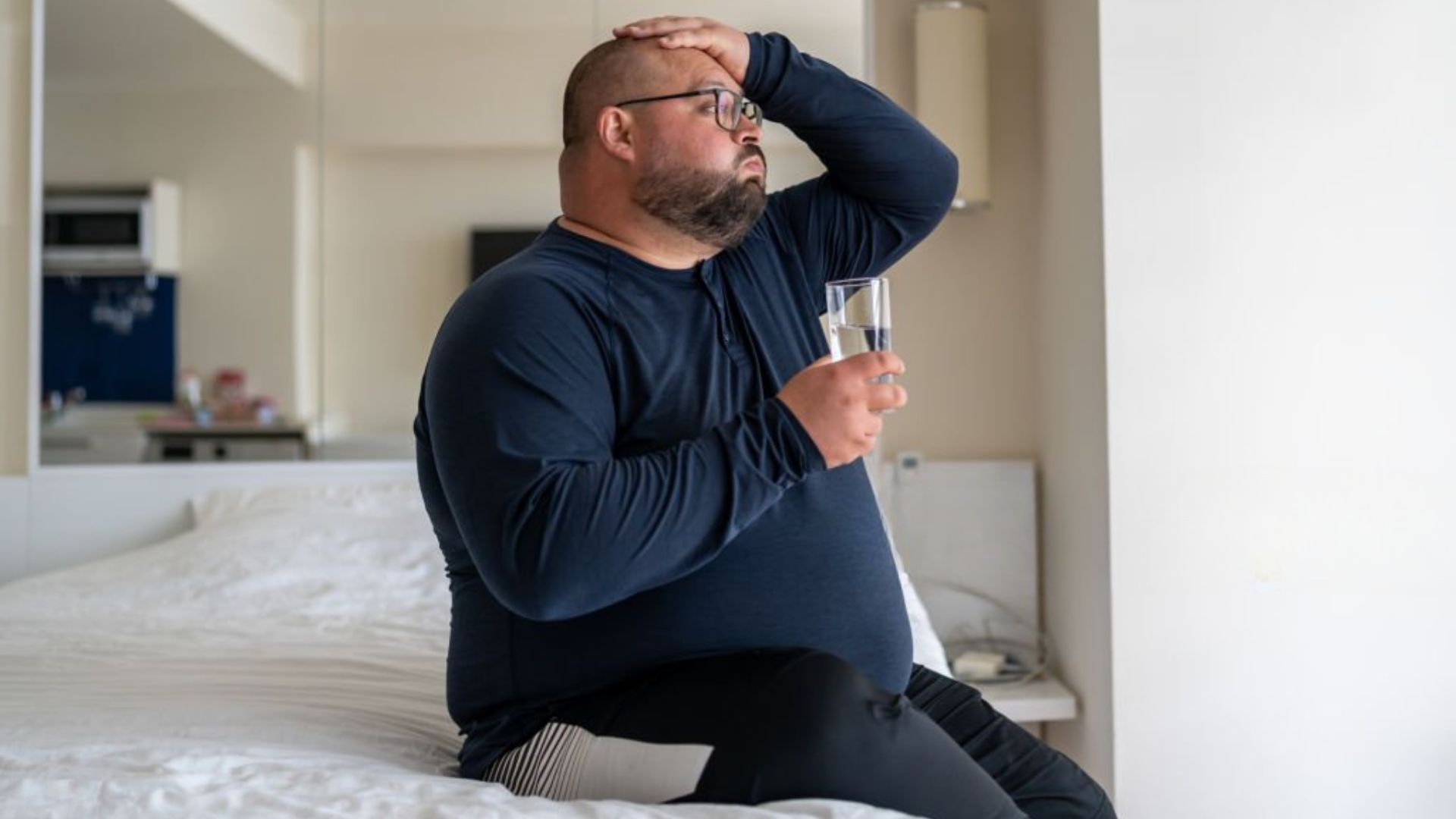
Morning headaches are a common sign of sleep apnea
- Dry Mouth or Sore Throat in the Morning
Mouth breathing caused by repeated airway blockages can leave you parched and uncomfortable upon waking.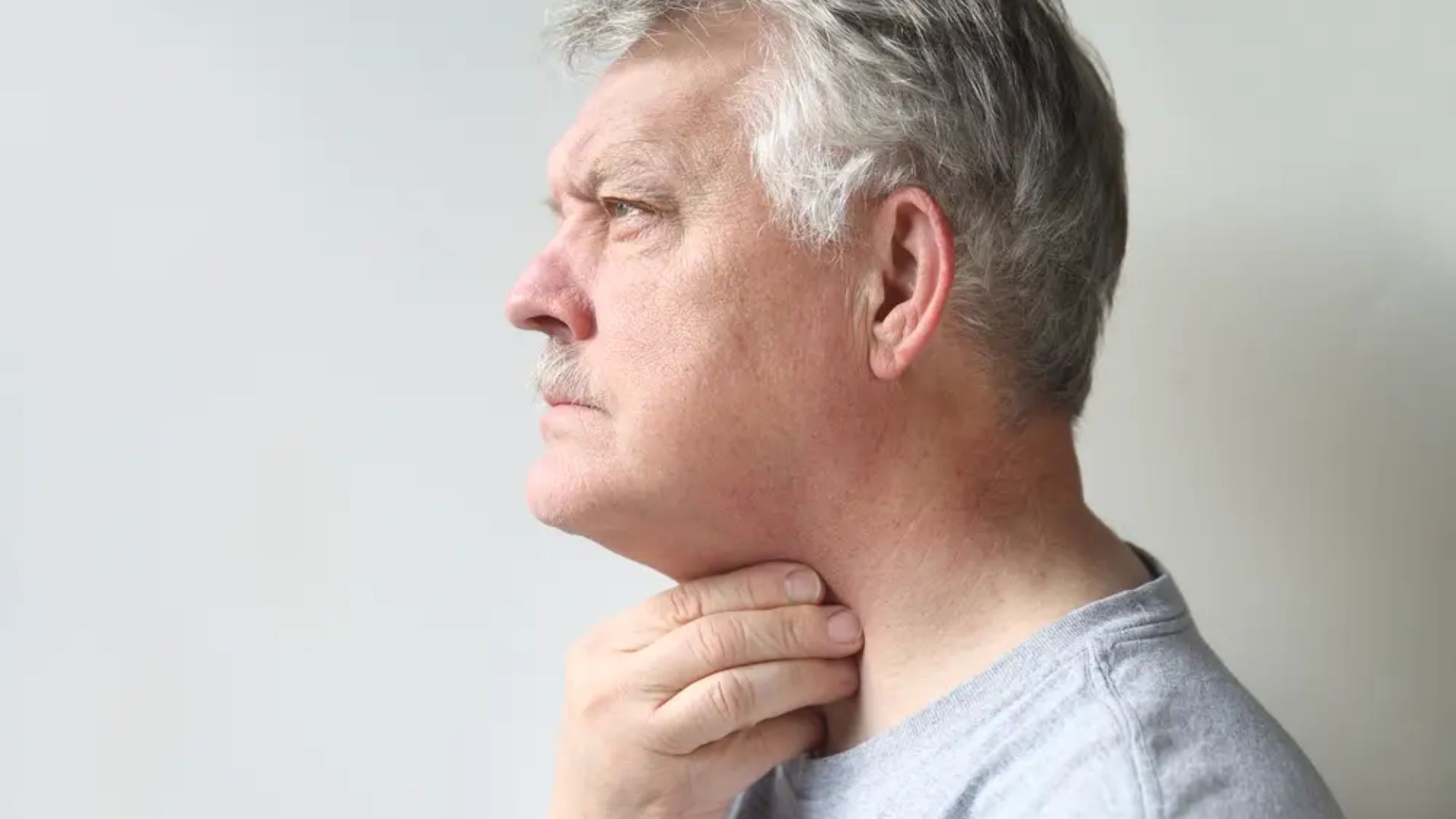
Morning sore throat and dry mouth linked to sleep apnea
- Difficulty Concentrating and Memory Problems
Interrupted sleep reduces focus, short-term memory, and decision-making abilities, sometimes leading to decreased work or academic performance. - Mood Changes and Irritability
Poor sleep quality affects your mental health. Anxiety, depression, and mood swings are often associated with untreated OSA.
Man showing irritability and stress from sleep apnea symptoms
- Loud, Chronic Snoring
Risk Factors for Obstructive Sleep Apnea
Not everyone with the above signs has OSA, but certain factors increase your risk. These include being overweight, having a thick neck circumference, nasal congestion, smoking, drinking alcohol, and family history of sleep apnea. Age and gender also play a role, with middle-aged men being at higher risk, though women and children can be affected as well.
Why Early Diagnosis Matters
Ignoring Obstructive Sleep Apnea Symptoms can have serious health consequences. Untreated OSA is linked to:
- High blood pressure
- Heart disease and stroke
- Type 2 diabetes
- Increased risk of accidents due to fatigue
- Reduced quality of life
Because these risks are significant, identifying the condition early and seeking treatment is crucial.
How Is Obstructive Sleep Apnea Diagnosed?
If you recognize any of the Obstructive Sleep Apnea Symptoms in yourself, the next step is a professional evaluation. Diagnosis usually involves a sleep study, which can be performed in a clinic or at home with specialized equipment. These tests monitor your breathing, oxygen levels, and sleep patterns to determine whether OSA is present and how severe it is.
Treatment Options
Fortunately, effective treatments are available. Lifestyle changes—such as losing weight, quitting smoking, or sleeping on your side—may reduce symptoms for some. However, the most effective and widely recommended therapy is Continuous Positive Airway Pressure (CPAP). CPAP machines deliver steady airflow through a mask, keeping your airway open throughout the night. This not only prevents breathing interruptions but also helps restore energy, mood, and overall health.
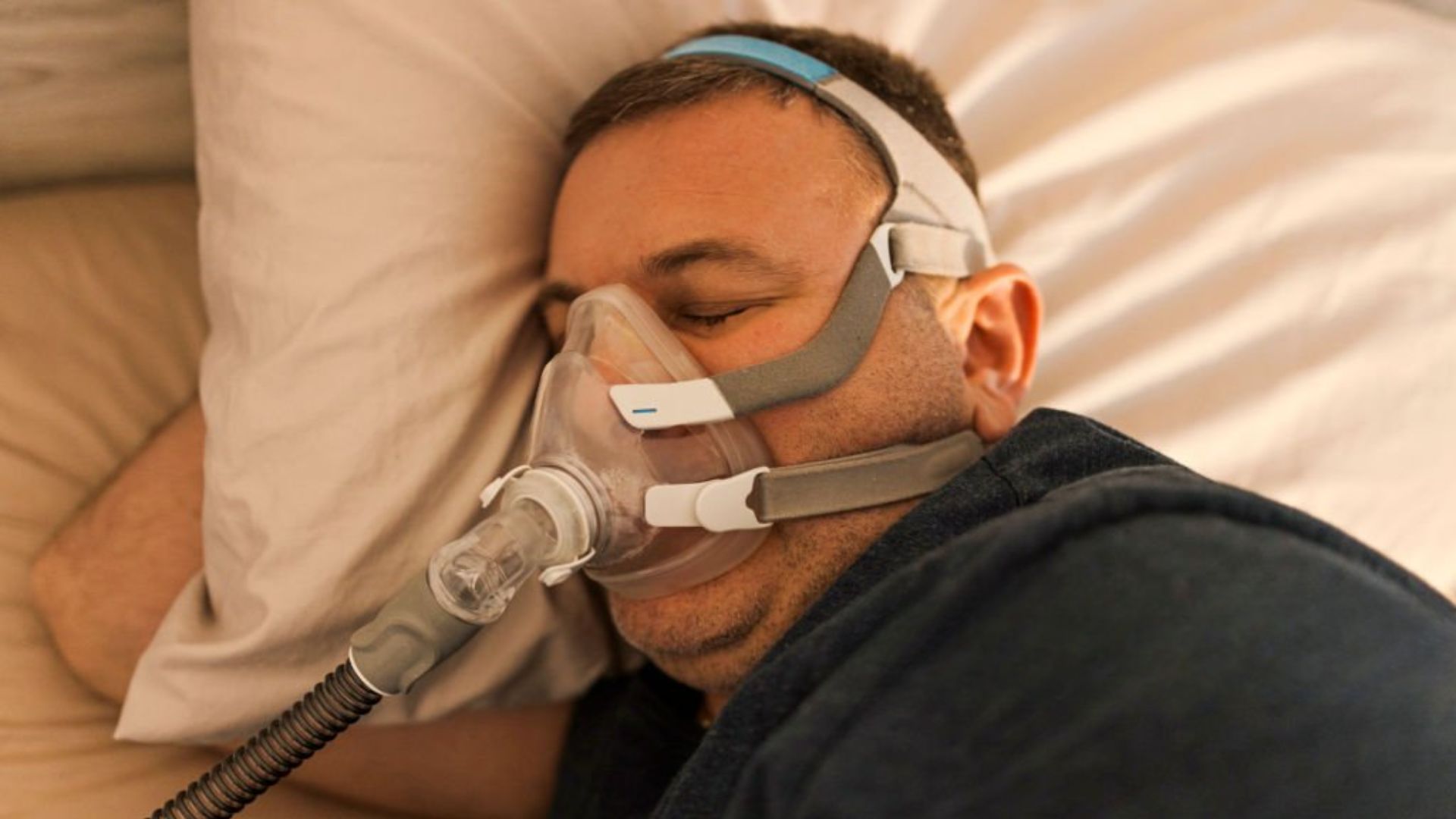
CPAP therapy used to manage obstructive sleep apnea
Where to Get Help
If you’re worried you may have Obstructive Sleep Apnea Symptoms, don’t wait to seek help. That’s where CPAP Pros comes in. Their team specializes in sleep apnea testing, diagnosis, and treatment. Whether you need an in-clinic or at-home sleep study, personalized CPAP machine setup, or expert guidance, CPAP Pros provides the care and equipment you need to sleep soundly again.
Final Thoughts
If you’ve been asking yourself, “Do I have Obstructive Sleep Apnea Symptoms?” the answer may be more important than you think. Recognizing the warning signs and seeking professional evaluation can protect your long-term health and improve your daily quality of life. With the right support—such as the services offered by CPAP Pros—you can take control of your sleep, reclaim your energy, and enjoy truly restorative rest.
Contact Us:
CPAP Pros is able to offer their services to you without ever having to leave your home! Our equipment can be shipped free of charge and our clinical team members are available to assist you virtually.
Address
#405, 625 5th Avenue
New Westminster British Columbia,
V3M 1X4
Contact Number
Phone: 604-229-1630
Fax
Phone: 1-833-490-1315
Recent Comments