
Written by: Joshua Mari Descalso
Sleep apnea is a serious sleep disorder where breathing repeatedly stops and starts during the night. People with this condition often wake up feeling unrefreshed, suffer from daytime fatigue, and may experience long-term health issues if it goes untreated. The standard treatment is CPAP (Continuous Positive Airway Pressure) therapy, which uses a machine to keep airways open during sleep. However, many patients ask: Is there a way to fix sleep apnea without a machine? While CPAP is the most effective solution, there are alternatives that may help—especially in mild to moderate cases or when combined with professional treatment.
Understanding Sleep Apnea and Its Risks
Before diving into alternatives, it’s important to understand what happens in sleep apnea. The most common form, obstructive sleep apnea (OSA), occurs when throat muscles relax and block airflow. This can cause loud snoring, choking sounds, and repeated awakenings throughout the night. Another type, central sleep apnea (CSA), is caused by the brain failing to send the correct signals to breathing muscles.
Untreated sleep apnea has been linked to:
- High blood pressure
- Stroke and heart disease
- Type 2 diabetes
- Chronic fatigue and poor concentration
- Pregnancy complications
- Shortened lifespan
Because of these risks, finding the right solution is essential for both immediate well-being and long-term health.
Lifestyle-Based Approaches
So, is there a way to fix sleep apnea without a machine? In some cases, yes—especially if the condition is mild and tied to lifestyle factors. Doctors often recommend starting with natural adjustments before moving to advanced therapies.
1. Weight Management
Carrying excess weight, particularly around the neck, can narrow the airway and make blockages more likely. Research shows that even modest weight loss can reduce the severity of sleep apnea. A combination of balanced diet, portion control, and physical activity can play a vital role.
2. Exercise and Muscle Tone
Exercise not only supports weight management but also strengthens muscles, including those in the airway. Certain breathing and throat exercises may reduce airway collapse, improving airflow during sleep.

Regular exercise may reduce sleep apnea severity
3. Sleeping Position
Sleeping on the back allows the tongue and soft tissues to fall backward, obstructing the airway. Side sleeping can significantly reduce apnea episodes. Special pillows or positional therapy devices can help train the body to stay in a side-sleeping position.
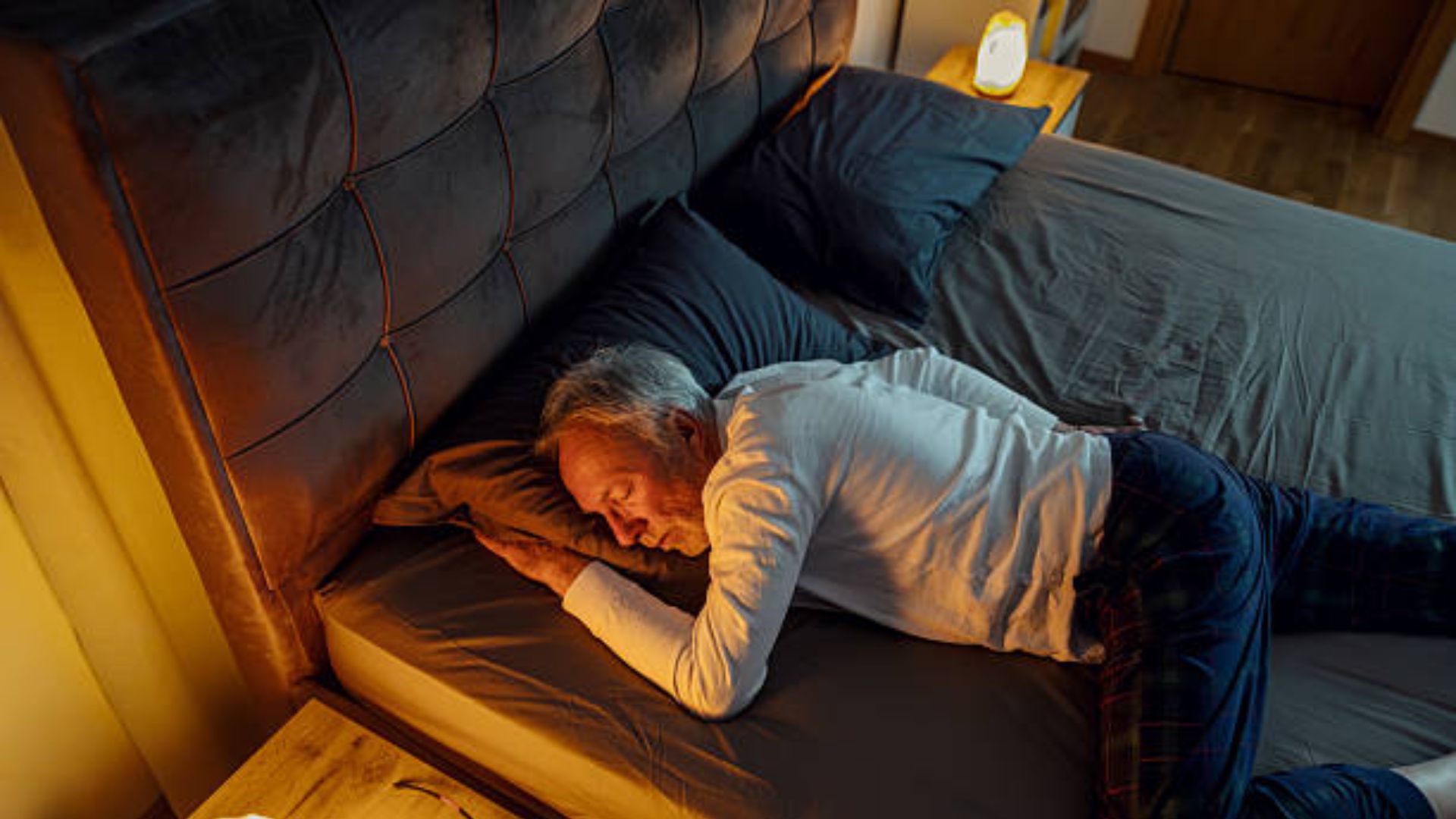
Side sleeping may help ease mild sleep apnea symptoms
4. Avoiding Alcohol and Sedatives
Alcohol, sedatives, and sleep medications relax throat muscles, making airway collapse more likely. Avoiding these substances, especially before bedtime, can lessen symptoms.
Avoid sedatives and alcohol to reduce sleep apnea risk
Medical Alternatives to CPAP
For people who struggle with CPAP, there are medical alternatives to explore. These don’t always replace CPAP entirely but may offer relief in specific cases.
1. Oral Appliances
Dentists can fit custom devices that reposition the lower jaw or tongue to keep the airway open. These are often effective for people with mild to moderate OSA who cannot tolerate CPAP. They are smaller and more portable than machines, though they may cause jaw discomfort for some users.
2. Surgical Options
Surgery may be recommended if structural issues are causing sleep apnea. Options include:
- Uvulopalatopharyngoplasty (UPPP): Removing excess tissue in the throat.
- Nasal surgery: Correcting deviated septum or removing obstructions.
- Jaw surgery: Adjusting bone structure to expand the airway.
Surgery is typically reserved for patients who do not respond well to other treatments.
3. Nasal Treatments
Allergies and chronic nasal congestion can worsen sleep apnea symptoms. Treatments such as nasal sprays, antihistamines, or nasal dilators may help improve airflow.
4. Positional Therapy Devices
If sleep apnea is primarily position-related, wearable devices or vibration alarms can train a person to avoid back sleeping.
Why CPAP Remains the Most Reliable Treatment
While these alternatives can help, it’s important to understand that most only reduce symptoms—they don’t eliminate the condition entirely. For moderate to severe OSA, CPAP remains the gold standard because it addresses the root problem: airway collapse.
CPAP therapy works by delivering a continuous stream of air through a mask, keeping the airway open all night. This prevents interruptions in breathing, improves oxygen levels, and reduces risks associated with untreated sleep apnea.
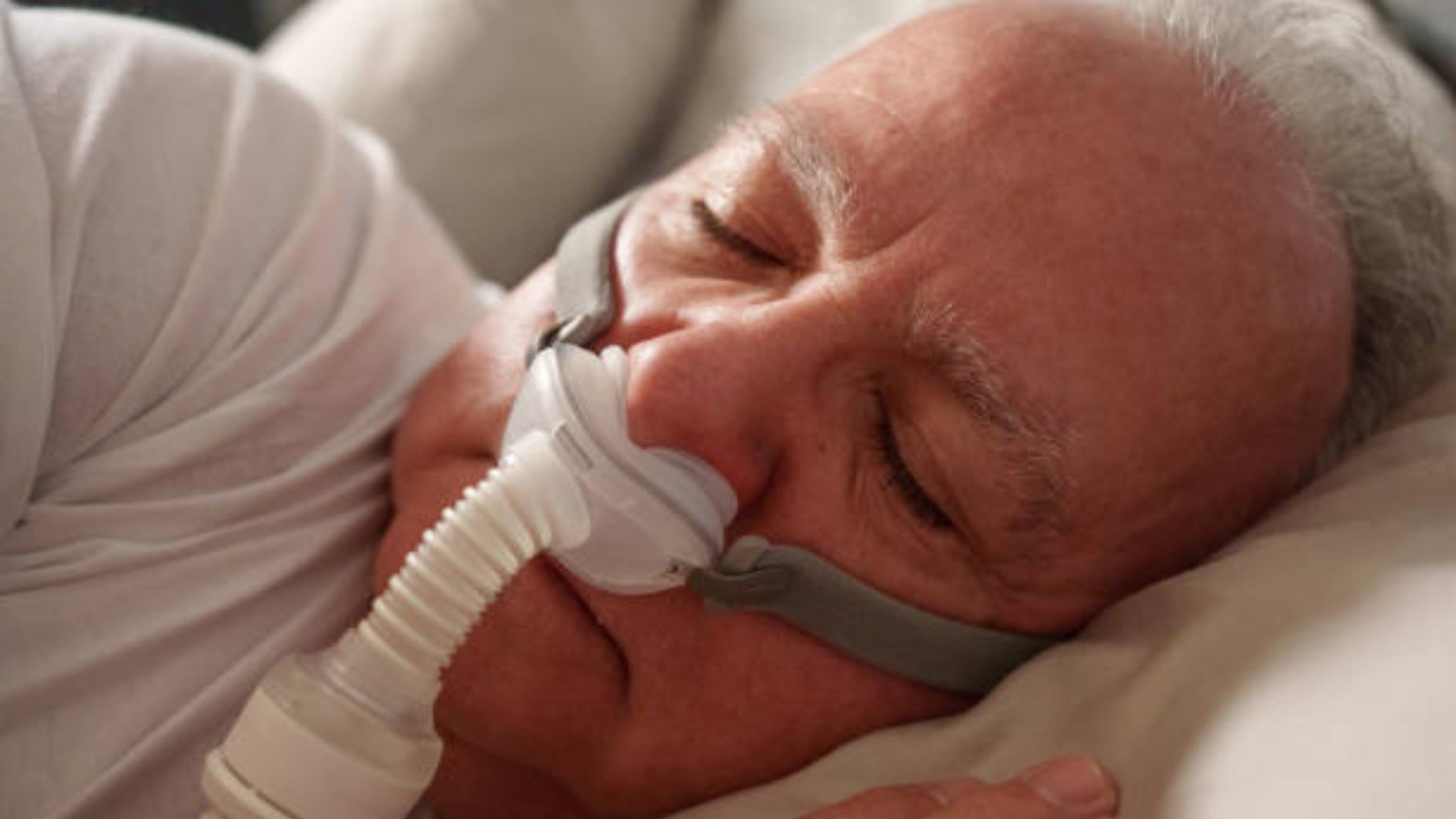
CPAP therapy supports safer breathing during sleep
For many people, discomfort with CPAP comes from poorly fitted masks, incorrect pressure settings, or lack of guidance. This is why working with a trusted provider such as CPAP Pros makes such a difference. CPAP Pros helps patients find the right mask, adjust their machines, and access reliable support, turning CPAP therapy into a manageable and effective solution.
Balancing Alternatives with Professional Care
If you’re asking, is there a way to fix sleep apnea without a machine? the honest answer is that while alternatives exist, they are usually most effective for mild cases or as part of a broader treatment plan. Lifestyle changes, oral appliances, or surgery may help—but they rarely match the success rates of CPAP for moderate to severe sleep apnea.
That said, working with experts ensures you don’t have to figure it out alone. CPAP Pros provides not just equipment, but guidance, support, and education to help patients breathe easier and sleep better.
Conclusion
So, is there a way to fix sleep apnea without a machine? Yes—through lifestyle adjustments, oral appliances, nasal treatments, and even surgery, some individuals can reduce symptoms or find partial relief. However, CPAP therapy remains the most effective, non-invasive, and widely recommended treatment, especially for moderate to severe cases. For anyone navigating sleep apnea and looking for the best solutions, CPAP Pros is the trusted partner to provide expert support, high-quality equipment, and a clear path to better sleep and better health.
Contact Us:
CPAP Pros is able to offer their services to you without ever having to leave your home! Our equipment can be shipped free of charge and our clinical team members are available to assist you virtually.
Address
#405, 625 5th Avenue
New Westminster British Columbia,
V3M 1X4
Contact Number
Phone: 604-229-1630
Fax
Phone: 1-833-490-1315
Recent Comments