

Written by: Joshua Mari Descalso
Sleep plays a vital role in our overall health and well-being. While most people understand the importance of getting a full night’s rest, many underestimate the role that daytime naps can play in improving energy levels, mood, and even nighttime sleep. When done properly, napping can serve as a valuable supplement to your nightly rest, enhancing both mental and physical performance. Let’s explore the benefits of napping and how you can make the most of this restorative habit.
Why Napping Matters
Napping has long been considered a luxury, often associated with children or those with more flexible schedules. However, research shows that short, well-timed naps can provide powerful restorative effects. A nap can boost alertness, reduce fatigue, and improve cognitive function—especially for individuals who don’t always get the recommended seven to nine hours of sleep at night.
For people who work irregular shifts, manage busy schedules, or live with sleep disorders like sleep apnea, naps can provide essential relief. The benefits of napping extend beyond just feeling more rested—they can improve cardiovascular health, reduce stress hormones, and even enhance memory retention.

Older man enjoying a restful nap in bed
The Science Behind Napping
When you take a nap, your body goes through lighter sleep stages that allow for quick restoration. Unlike nighttime sleep, which cycles through deep and REM sleep stages, naps often focus on the lighter stages, making them easier to wake up from without feeling groggy—provided they’re kept short.
The optimal nap length depends on your goals:
- 10–20 minutes: Known as a “power nap,” this is ideal for boosting alertness and focus without interfering with nighttime sleep.
- 30–60 minutes: Allows for some deeper sleep, which can improve decision-making and memory but may lead to grogginess upon waking.
- 90 minutes: A full sleep cycle that includes REM sleep, improving creativity and emotional resilience, though it’s best timed earlier in the day.
By understanding these cycles, you can harness the benefits of napping to match your lifestyle and sleep needs.
How Napping Improves Nighttime Sleep
Some worry that napping might interfere with their ability to fall asleep at night. While long or poorly timed naps can cause this, short naps taken in the early afternoon are unlikely to disrupt nighttime sleep. In fact, strategic naps can help people with insomnia or irregular schedules feel less anxious about their sleep patterns.
For those with sleep disorders such as sleep apnea, the benefits of napping can be especially valuable. Even when using CPAP therapy, patients may still experience fragmented sleep. A well-timed nap can help restore energy and provide the brain with extra rest, making daytime functioning much smoother.
Tips for Effective Napping
To maximize the benefits, keep these strategies in mind:
- Time it right: Nap between 1–3 p.m. when energy naturally dips.

Senior checking time before taking a daytime nap
- Keep it short: Aim for 20 minutes to avoid grogginess.
- Create a restful environment: Find a quiet, cool, and dark space.
- Use relaxation techniques: Deep breathing or listening to calming sounds can help you fall asleep faster.
- Be consistent: Incorporating naps into your routine can enhance their effectiveness over time.
By following these simple guidelines, you can ensure that your naps recharge your body and mind without sabotaging your nighttime sleep.
Napping and CPAP Therapy
For individuals managing sleep apnea, naps can be particularly beneficial when combined with effective treatment. Continuous Positive Airway Pressure (CPAP) machines help keep airways open during sleep, ensuring better oxygen flow and reducing nighttime awakenings. However, it may take time for your body to adjust to therapy. During this adjustment period, naps can help bridge the gap, improving energy levels and overall well-being.
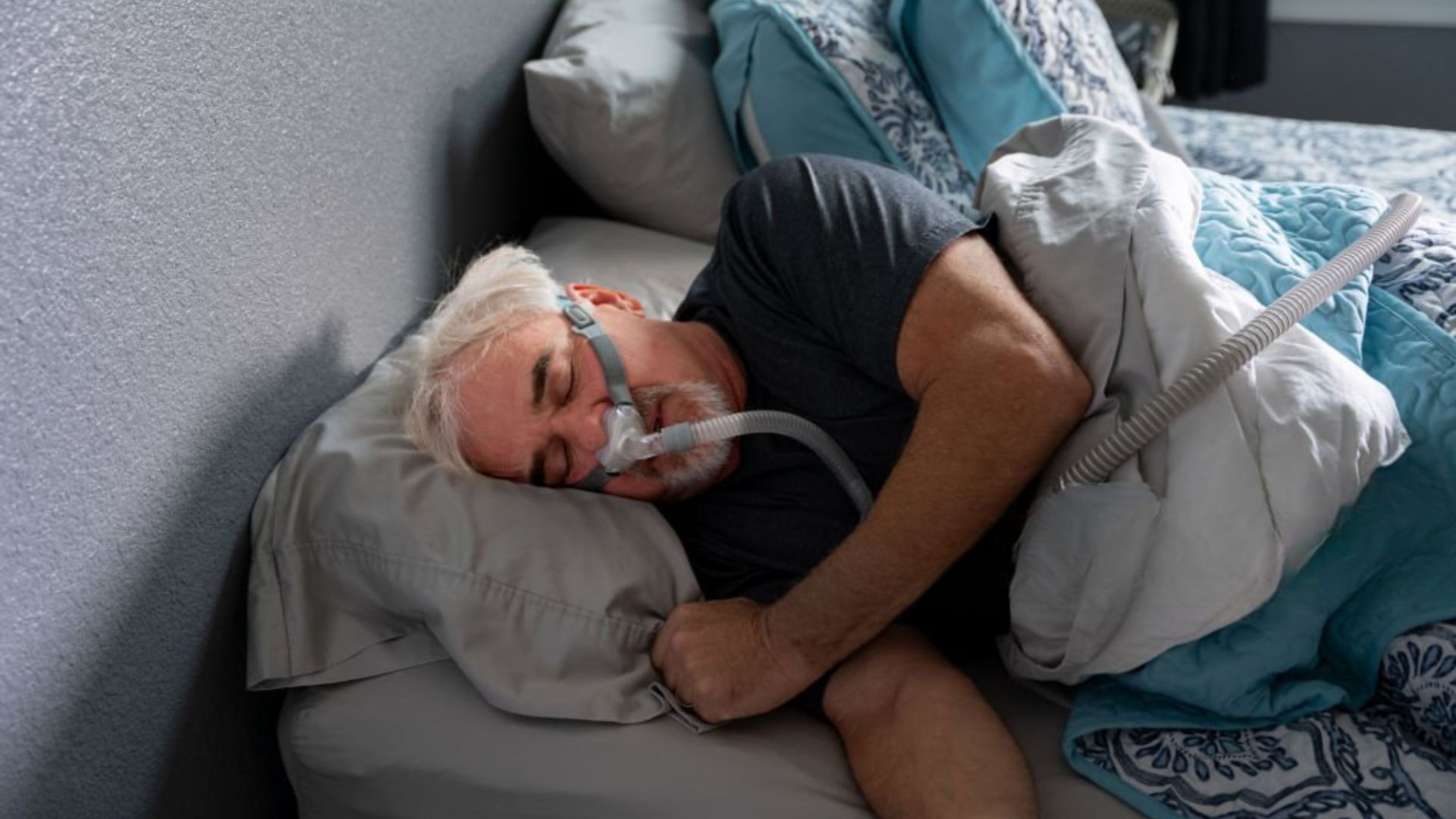
Short, supported naps can improve rest and breathing
If you’re exploring CPAP therapy or looking to upgrade your machine, trusted providers like CPAP Pros offer high-quality solutions tailored to your needs. Investing in the right equipment can enhance your nightly rest and make daytime naps even more effective.
Conclusion
Napping isn’t just for children—it’s a scientifically backed way to improve health, mood, and performance. From boosting alertness to enhancing nighttime rest, the benefits of napping are too valuable to ignore. By timing naps wisely and pairing them with healthy sleep practices and treatments like CPAP therapy when needed, you can achieve better sleep and a higher quality of life.
If you’re ready to optimize your sleep routine and explore CPAP solutions, visit CPAP Pros today. Better rest starts with smart choices—and napping can be one of the smartest ones you make.
Contact Us:
CPAP Pros is able to offer their services to you without ever having to leave your home! Our equipment can be shipped free of charge and our clinical team members are available to assist you virtually.
Address
#405, 625 5th Avenue
New Westminster British Columbia,
V3M 1X4
Contact Number
Phone: 604-229-1630
Fax
Phone: 1-833-490-1315
Recent Comments