
Joshua Mari Descalso
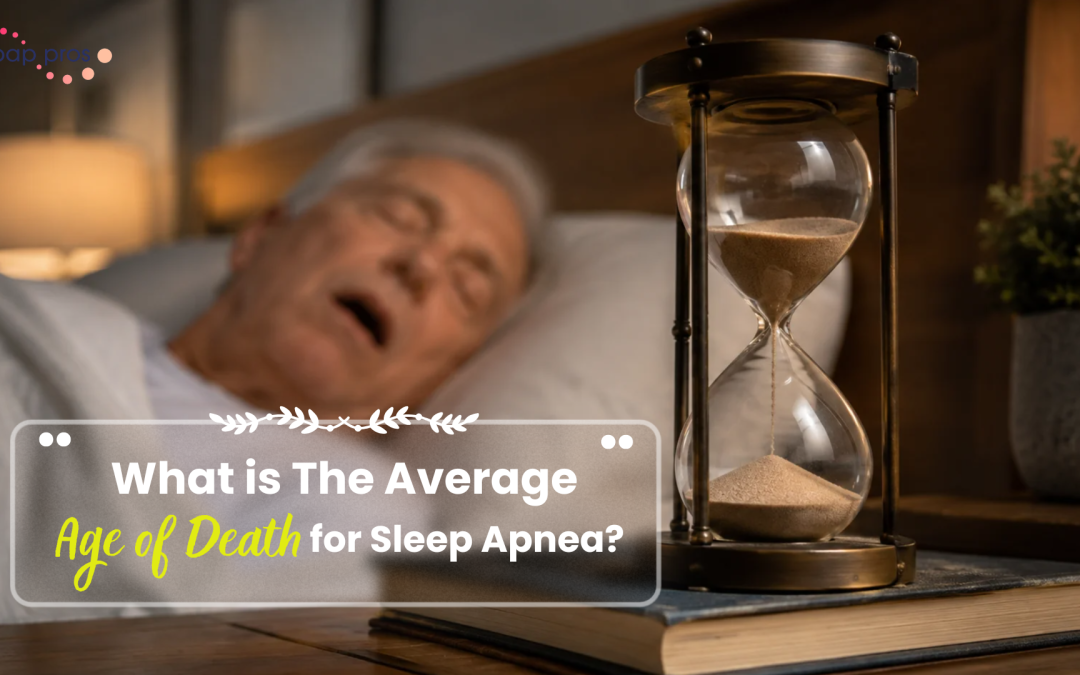
Sleep apnea is more than just loud snoring or restless nights—it is a serious medical condition that can drastically affect longevity if untreated. By repeatedly disrupting breathing during sleep, it deprives the body of oxygen and places strain on vital organs. This raises a concerning question: What is the average age of death for sleep apnea? Understanding the risks linked to this disorder can highlight the importance of early diagnosis and effective treatment.
The Link Between Sleep Apnea and Lifespan

Average Age of Death for Sleep Apnea and Long Term Effects
Research has shown that untreated sleep apnea can shorten life expectancy by several years. While there is no single, universally agreed-upon number for the average age of death, studies suggest that individuals with untreated severe sleep apnea often face a significantly higher risk of premature death compared to those without the condition. Generally, untreated sleep apnea may shorten life expectancy due to various complications (i.e. metabolic diseases, neurodegeneration, cardiovascular diseases, etc.).
This is not to say that everyone with sleep apnea will die early. However, untreated cases are strongly associated with chronic illnesses—such as heart disease, stroke, diabetes, and obesity—that contribute to earlier mortality. Patients diagnosed later in life and left untreated may face these risks sooner, while those who seek treatment often experience outcomes much closer to the general population.
What Increases the Risk of Early Death?
When looking at what is the average age of death for sleep apnea, it’s important to understand the underlying factors that contribute to this increased mortality risk.
- Cardiovascular Strain
Every pause in breathing forces the heart to work harder. Over time, this leads to high blood pressure, irregular heart rhythms, and an increased risk of heart attack or stroke. - Chronic Oxygen Deprivation
Low oxygen levels during the night damage blood vessels and organs. This cumulative effect accelerates the development of other serious conditions. - Metabolic Disorders
Sleep apnea is strongly linked with obesity, insulin resistance, and type 2 diabetes. These conditions, if uncontrolled, further shorten life expectancy. - Accidents from Fatigue
Severe daytime sleepiness caused by untreated sleep apnea raises the risk of accidents, particularly while driving or operating machinery. - Mental Health Impact
Depression, anxiety, and cognitive decline often accompany sleep apnea, creating indirect risks to long-term health and wellness.

Average Age of Death for Sleep Apnea and Driving Accident Risks
Signs You Shouldn’t Ignore
Recognizing the symptoms early can prevent progression to life-threatening stages. Common signs include:
- Loud, chronic snoring
- Gasping or choking during sleep
- Excessive daytime fatigue
- Morning headaches
- Trouble concentrating or memory issues
- Mood swings or irritability
If you or a loved one experience these symptoms, it’s essential to seek medical evaluation rather than dismissing them as minor sleep issues.
How Treatment Improves Life Expectancy
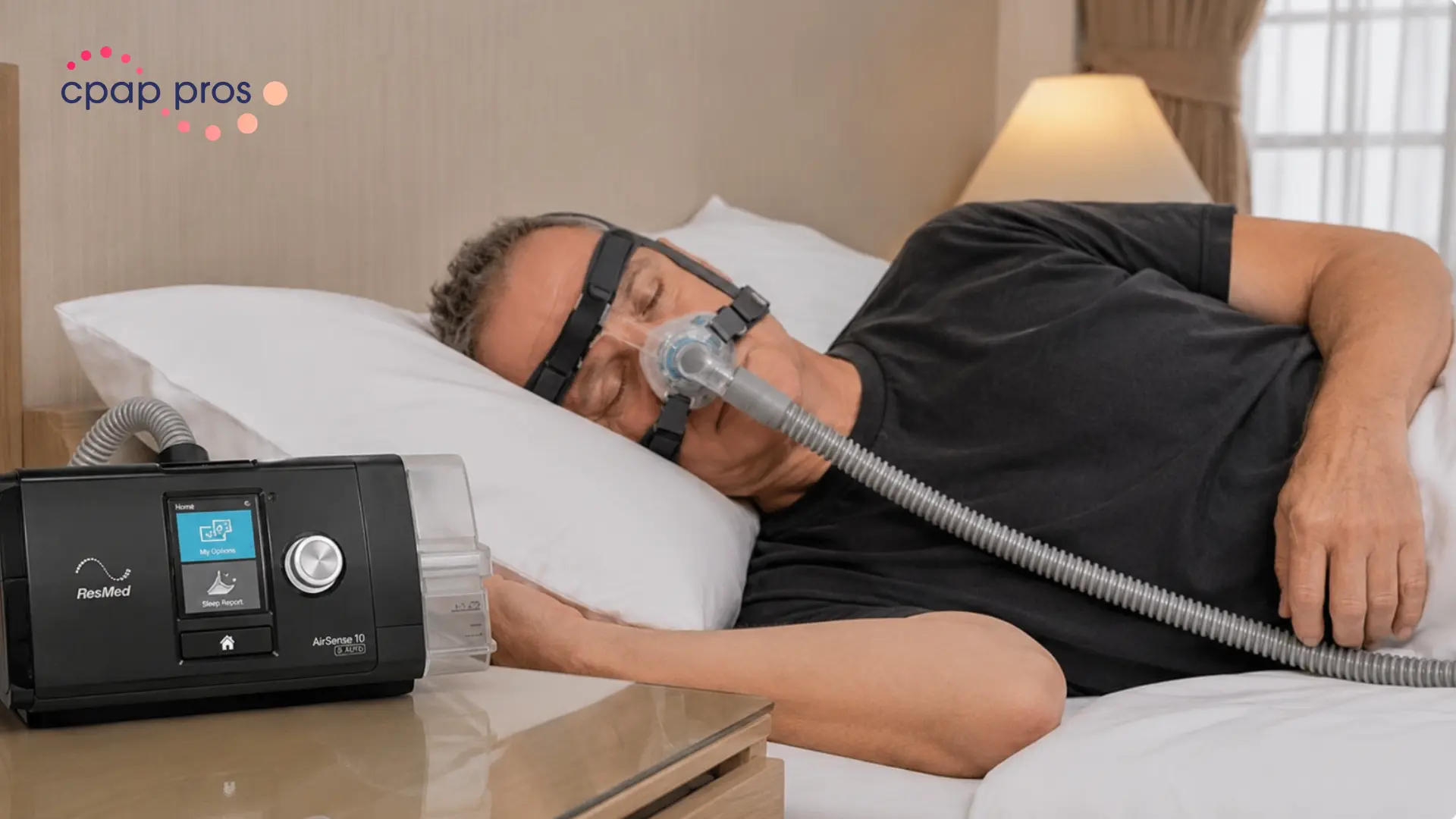
CPAP Therapy May Lower Sleep Apnea Health and Lifespan Risks
The encouraging news is that treatment drastically reduces the risks associated with sleep apnea. Continuous Positive Airway Pressure (CPAP) therapy is the gold standard. It keeps the airway open with a steady stream of air, preventing the dangerous pauses in breathing. Patients who consistently use CPAP therapy often see improvements in blood pressure, heart health, energy levels, and mental clarity.
In fact, studies show that patients with sleep apnea who use CPAP regularly can lower their risk of premature death and live nearly as long as individuals without the disorder. This demonstrates that treatment is not only about improving sleep—it’s about extending and protecting life.
Why Choose CPAP Pros?
For those diagnosed with sleep apnea, finding the right treatment equipment is crucial. At CPAP Pros, patients gain access to a wide range of CPAP machines, masks, and accessories tailored to individual needs. Their expert team helps guide you through setup, usage, and maintenance, ensuring that therapy is comfortable and effective. With the right equipment and support, managing sleep apnea becomes far less daunting.
Conclusion
So, what is the average age of death for sleep apnea? While exact numbers vary, untreated cases can shorten life expectancy by 8 to 10 years, primarily due to associated health risks like heart disease, stroke, and diabetes. The good news is that treatment—especially CPAP therapy—can help restore normal life expectancy and significantly improve quality of life. Don’t leave sleep apnea unmanaged. Turn to CPAP Pros for expert guidance and reliable equipment, and take control of both your sleep and your future health.
Contact Us:
CPAP Pros is able to offer their services to you without ever having to leave your home! Our equipment can be shipped free of charge and our clinical team members are available to assist you virtually.
Address:
#405, 625 5th Avenue
New Westminster British Columbia,
V3M 1X4
Contact Number:
Phone: 604-229-1630
Fax:
Phone: 1-833-490-1315
Email:
info@cpappros.ca

Recent Comments