
Joshua Mari Descalso
Sleep apnea is a serious sleep disorder that affects millions worldwide, often going unnoticed until its symptoms become severe. It disrupts normal breathing during sleep, leading to oxygen deprivation and poor rest quality. While many people are familiar with its common symptoms such as snoring or daytime fatigue, fewer understand the progression of the condition. Asking “What is The Last Stage of Sleep Apnea?” helps us recognize how critical it is to intervene early before it reaches dangerous levels.
Understanding the Progression of Sleep Apnea
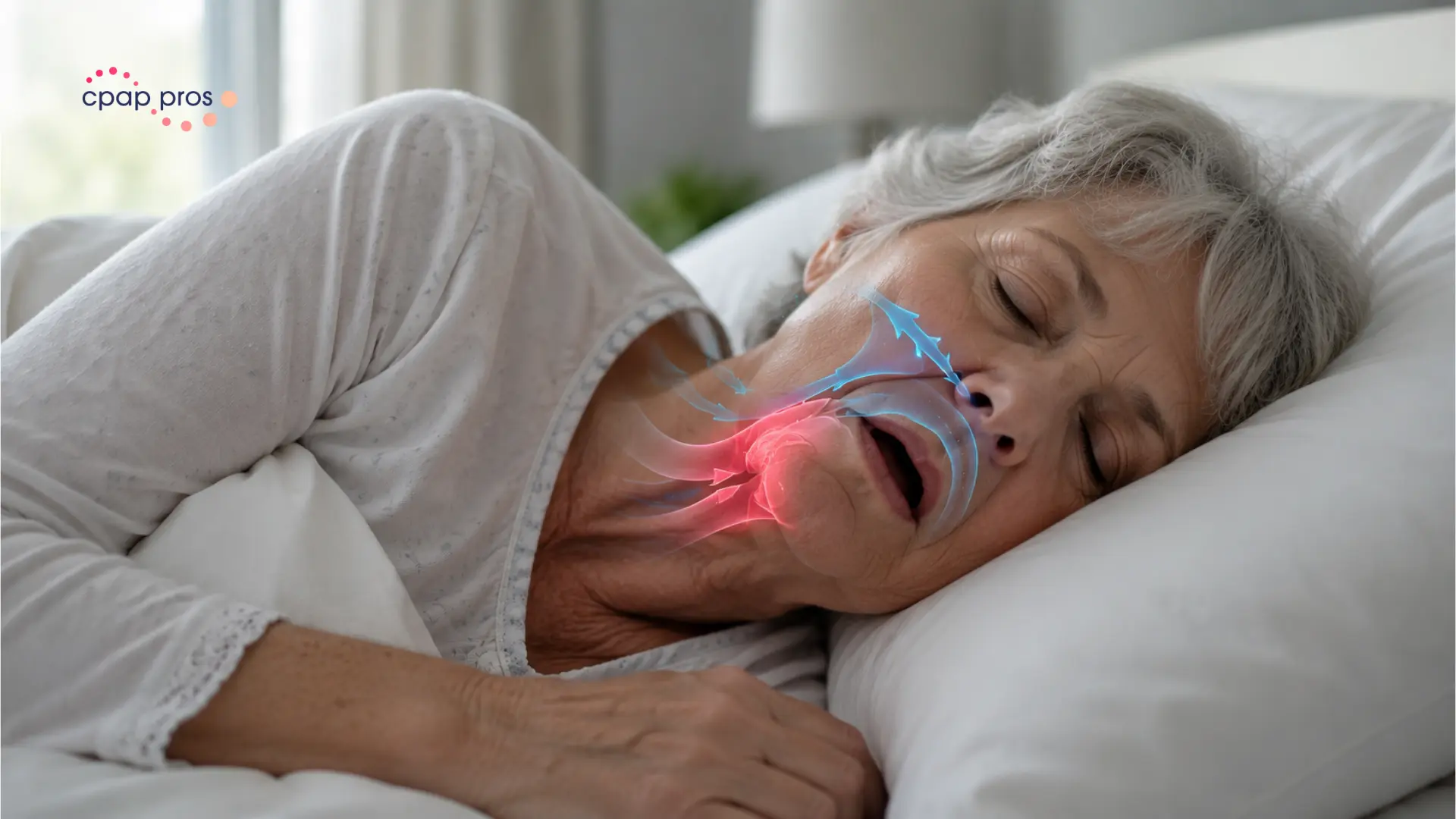
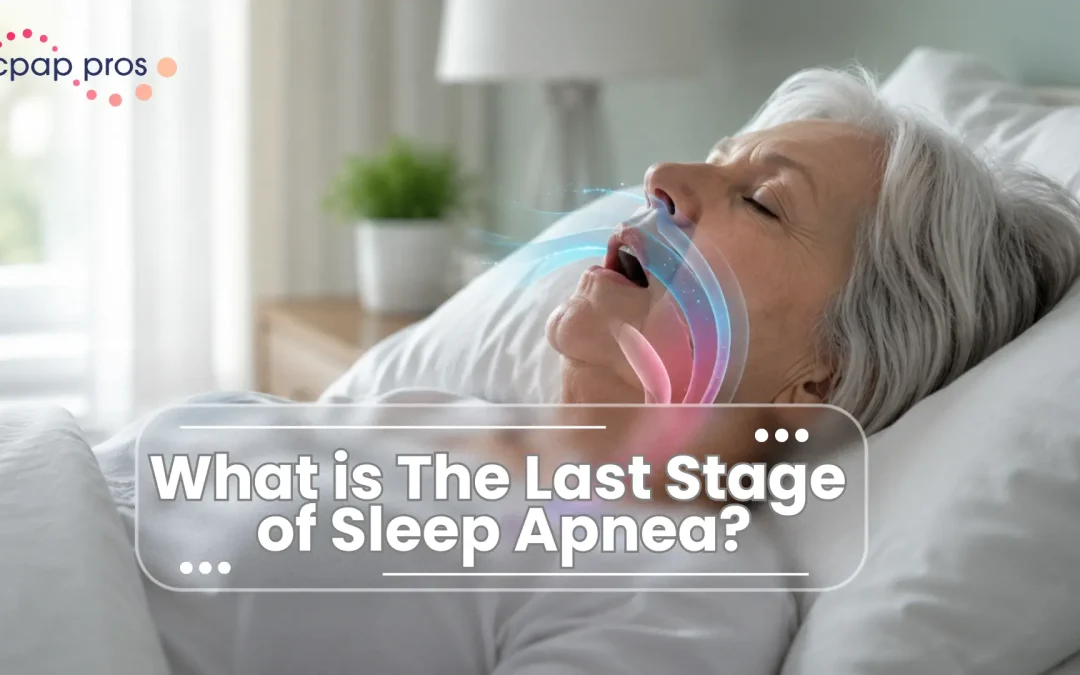
Last Stage of Sleep Apnea Can Affect Breathing During Sleep
Sleep apnea is typically categorized into three types: obstructive sleep apnea (OSA), central sleep apnea (CSA), and complex or mixed sleep apnea, which is a combination of both. Regardless of the type, the disorder tends to worsen gradually if untreated. Mild cases may only cause occasional disruptions, while severe cases can result in frequent pauses in breathing—sometimes hundreds of times per night.
Medical professionals also classify sleep apnea severity by the Apnea-Hypopnea Index (AHI), which measures how many times breathing stops or is reduced per hour:
- Mild: 5–14 events per hour
- Moderate: 15–29 events per hour
- Severe: 30 or more events per hour
The severe category is considered the final or last stage of the condition, where health consequences become life-threatening.
What Happens in the Last Stage?
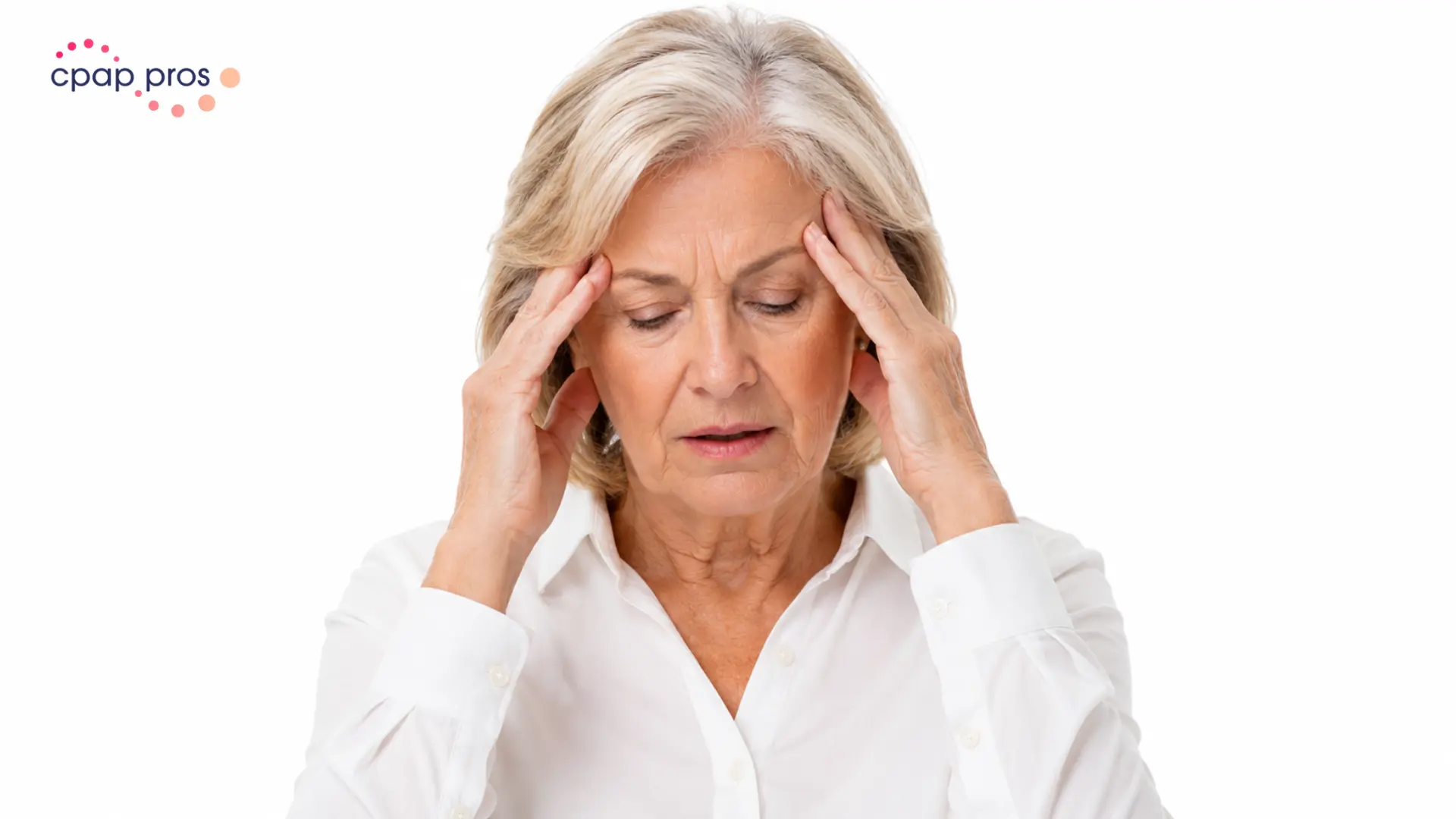
Last Stage of Sleep Apnea May Cause Fatigue and Headaches
When sleep apnea advances to its most severe form, the body is subjected to repeated oxygen deprivation throughout the night. This leads to significant strain on nearly every system in the body. Those who wonder “What is The Last Stage of Sleep Apnea?” should understand that it involves constant breathing interruptions, dangerously low oxygen levels, and a high risk of associated health problems.
Key Symptoms in the Last Stage:
- Severe Daytime Sleepiness – Patients often find it difficult to stay awake during the day, even in active situations like driving or working.
- Frequent Nighttime Awakenings – Sleep is repeatedly interrupted, leaving the individual unable to reach restorative deep sleep.
- Chronic Headaches – Low oxygen supply to the brain often results in regular morning headaches.
- Cognitive Decline – Memory issues, confusion, and reduced concentration become more pronounced.
- Mood Disorders – Depression, anxiety, and irritability are common.
- Serious Health Risks – Advanced sleep apnea is linked to high blood pressure, heart disease, stroke, diabetes, and even premature death.
At this stage, the disorder is no longer just about poor sleep—it becomes a full-blown medical crisis with widespread consequences.
The Importance of Early Intervention
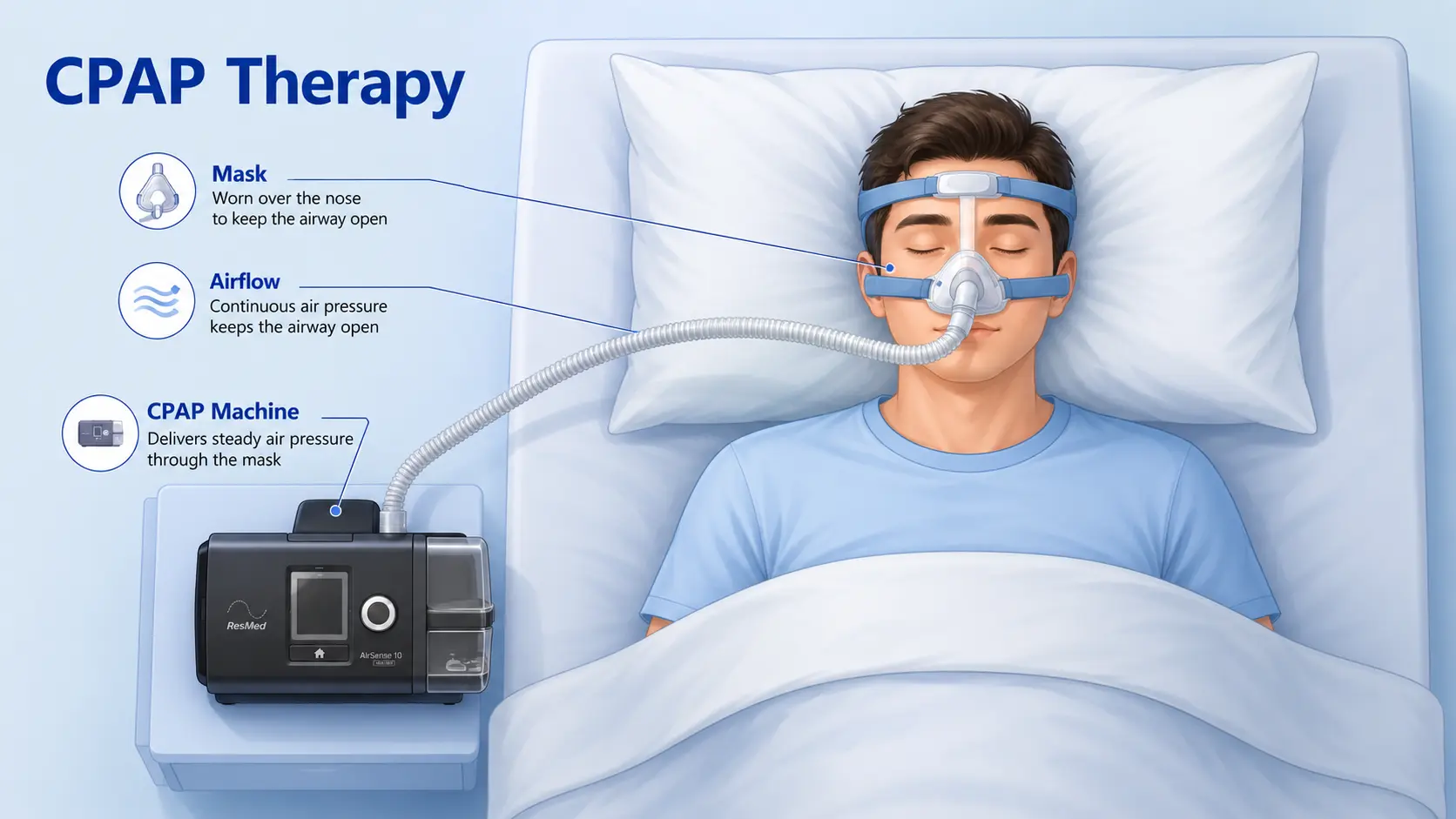
CPAP Therapy for Managing Last Stage of Sleep Apnea Symptoms
While the last stage of sleep apnea sounds alarming, the good news is that treatment can stop the progression and even reverse many symptoms. The most effective and widely recommended therapy is Continuous Positive Airway Pressure (CPAP) treatment. A CPAP machine delivers a constant flow of air to keep the airway open, preventing the dangerous pauses in breathing.
Without treatment, severe sleep apnea can shorten life expectancy and lead to chronic conditions that are costly and difficult to manage. That’s why recognizing the signs early and taking action is essential.
Why Choose CPAP Pros?
Managing sleep apnea doesn’t have to be overwhelming. At CPAP Pros, you’ll find expert advice and high-quality CPAP machines, masks, and accessories designed to improve comfort and effectiveness. Their team understands that every patient is unique, and they provide personalized solutions to ensure treatment is both manageable and effective. From first-time users to long-time CPAP patients, CPAP Pros offers the support you need to reclaim healthy, restful sleep.
Conclusion
So, what is the last stage of sleep apnea? It is the severe form of the disorder, where breathing stops frequently during the night, oxygen levels drop dangerously low, and health risks escalate dramatically. Fortunately, it doesn’t have to reach this point. With proper treatment—especially CPAP therapy—you can prevent complications and restore quality sleep. For the best support and equipment, CPAP Pros is your trusted partner in managing sleep apnea and protecting your long-term health.
Contact Us:
CPAP Pros is able to offer their services to you without ever having to leave your home! Our equipment can be shipped free of charge and our clinical team members are available to assist you virtually.
Address:
#405, 625 5th Avenue
New Westminster British Columbia,
V3M 1X4
Contact Number:
Phone: 604-229-1630
Fax:
Phone: 1-833-490-1315
Email:
info@cpappros.ca

Recent Comments